

 See My Latest Article on HelloNation
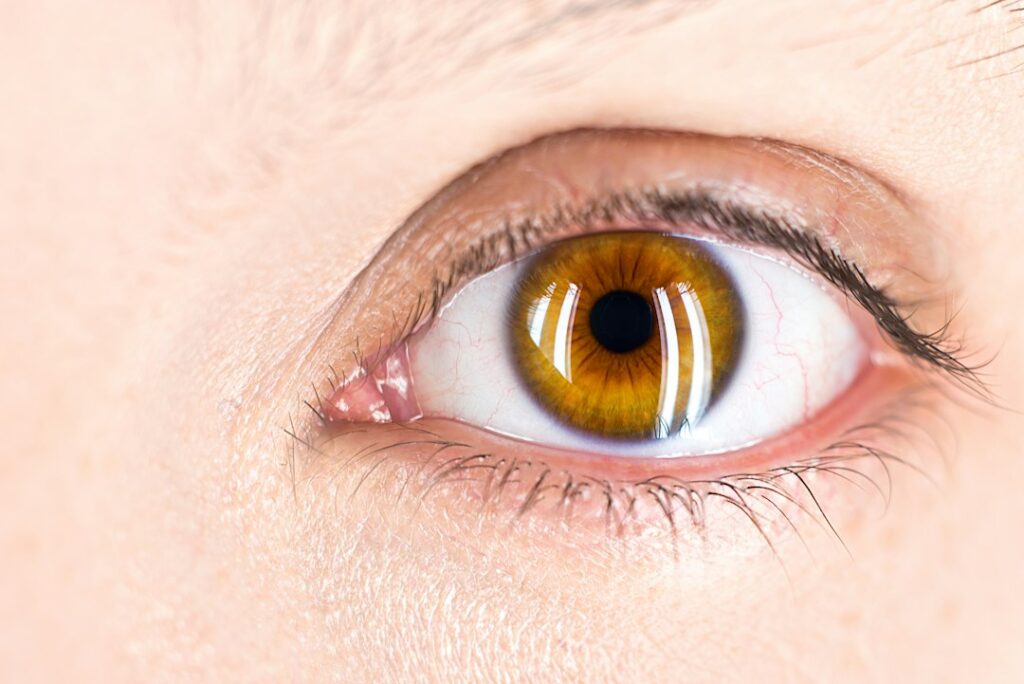
Cataracts often begin so gradually that people may adjust to small vision changes without realizing anything is wrong. Early signs can include hazy vision, increased glare, faded colors, difficulty seeing at night, or frequent changes in glasses prescriptions. A comprehensive eye exam is the only reliable way to determine whether these symptoms are caused by a cataract or another eye condition. ([medlineplus.gov](https://medlineplus.gov/cataract.html?utm_source=openai))
What is a cataract?
A cataract is a cloudy area that forms in the eye’s normally clear lens. The lens focuses light onto the retina, which sends visual information to the brain. As the lens becomes less clear, light may scatter instead of forming a sharp image.
Most cataracts develop as part of aging and progress slowly. They may affect one eye or both eyes, although one eye can become noticeably worse first. Cataracts do not spread from one eye to the other. ([medlineplus.gov](https://medlineplus.gov/cataract.html?utm_source=openai))
What are the earliest signs of cataracts?
The first symptoms are often subtle rather than dramatic. A person may still pass a routine vision screening but notice that everyday tasks require more effort.
Common early changes include:
- Cloudy, hazy, or blurry vision: Objects may look slightly out of focus, as though viewed through a thin film.
- More sensitivity to glare: Headlights, sunlight, lamps, or bright snow may seem unusually harsh.
- Halos around lights: Rings or glowing areas may appear around headlights and streetlights, especially at night.
- Difficulty seeing in dim conditions: Reading in a dark room, finding objects in a garage, or navigating unfamiliar areas at night may become harder.
- Faded or yellowed colors: White surfaces may appear cream-colored, and colors may seem less vivid than before.
- Frequent prescription changes: Glasses or contact lenses may need updating more often, with only temporary improvement.
- Trouble reading or recognizing details: Small print, facial features, road signs, or instrument displays may seem less distinct.
- Double vision in one eye: Cataracts can occasionally cause overlapping or ghost images that persist when the other eye is covered. ([medlineplus.gov](https://medlineplus.gov/cataract.html?utm_source=openai))
Some people notice a temporary improvement in near vision and assume their eyesight is getting better. Changes in the lens can sometimes alter focusing power, allowing a person who previously needed reading glasses to read more easily for a time. This “second sight” effect is not a dependable sign of healthy vision and should still be discussed during an eye examination. ([eyewiki.aao.org](https://eyewiki.aao.org/Cataract?utm_source=openai))
Why can night driving become difficult?
Night-driving problems are among the more noticeable functional signs of a developing cataract. A cloudy lens scatters incoming light, so headlights may produce glare, halos, streaks, or starbursts. The problem can be worse when the pupil becomes larger in low light, allowing more light through the cloudy portion of the lens.
A driver may notice:
- Needing more time to adjust when moving from a bright area into darkness
- Difficulty distinguishing pedestrians, bicycles, or animals from a dark background
- Greater discomfort from oncoming headlights
- Reduced confidence on unfamiliar roads after sunset
- More difficulty reading signs until they are close
Winter conditions in Rapid City can make glare especially noticeable. Low-angle sunlight, bright snow, and changing visibility may reveal a problem that is less apparent indoors. Glare alone does not prove that a cataract is present, however. Dry eyes, an outdated prescription, corneal problems, and some retinal conditions can produce similar complaints.
Are cataracts painful?
Typical age-related cataracts develop without pain, redness, or itching. The main effect is a gradual change in vision. This distinguishes cataracts from some other eye problems that can cause sudden discomfort or inflammation.
Sudden vision loss, significant eye pain, a red eye, new flashes of light, a sudden increase in floaters, or a dark curtain across part of the visual field should not be assumed to be cataracts. Those symptoms require prompt medical evaluation because they may signal a retinal emergency, acute glaucoma, or another urgent condition.
Who is more likely to develop cataracts?
Age is the strongest risk factor, but cataracts can occur earlier than expected. Risk may be higher with:
- Diabetes or persistently elevated blood sugar
- A family history of cataracts
- Smoking
- Long-term or repeated steroid use
- Previous eye injury or eye surgery
- Significant ultraviolet light exposure
- Certain types of radiation treatment
- Eye inflammation or other medical conditions

People who spend substantial time outdoors—whether working, commuting, hunting, hiking, or participating in winter activities—may receive considerable ultraviolet exposure over many years. Sunglasses that block ultraviolet light and a brimmed hat can help reduce exposure. Protective eyewear is also important for home repairs, woodworking, power-tool use, and other activities that could injure the eye. ([medlineplus.gov](https://medlineplus.gov/cataract.html?utm_source=openai))
How are early cataracts diagnosed?
A dilated eye examination is the standard way to look for cataracts and evaluate other possible causes of changing vision. During the exam, special drops widen the pupils so the eye doctor can examine the lens, retina, optic nerve, and other structures.
The evaluation may also include:
- Refraction testing to determine whether a new glasses prescription improves vision
- Visual acuity testing
- Slit-lamp examination of the front structures of the eye
- Eye-pressure measurement
- Additional testing when another condition may be contributing to symptoms
A person can have an early cataract without realizing it, which is why routine eye exams matter even when vision seems adequate. Symptoms such as glare or faded colors are not specific to cataracts and can also occur with other eye conditions. ([nei.nih.gov](https://www.nei.nih.gov/eye-health-information/eye-conditions-and-diseases/cataracts?utm_source=openai))
What can help in the early stages?
Early cataracts do not always require immediate surgery. Brighter, well-positioned lighting may make reading easier, and updated glasses may improve vision for a period of time. Reducing glare, using appropriate outdoor eye protection, and keeping diabetes under good control may also support eye health.
Cataract surgery is the only treatment that removes an established cataract. It is generally considered when vision interferes with activities such as driving, reading, working, watching television, or safely moving around the home—not solely because a cataract is visible during an exam. ([nei.nih.gov](https://www.nei.nih.gov/eye-health-information/eye-conditions-and-diseases/cataracts?utm_source=openai))
For local residents, a useful practical question is not simply, “Do I have a cataract?” It is also, “Which activities have become harder, and is the change gradual or sudden?” Tracking those details can help distinguish ordinary lighting or dry-air discomfort from a persistent change that deserves an eye examination.